


By The VIFP News Desk
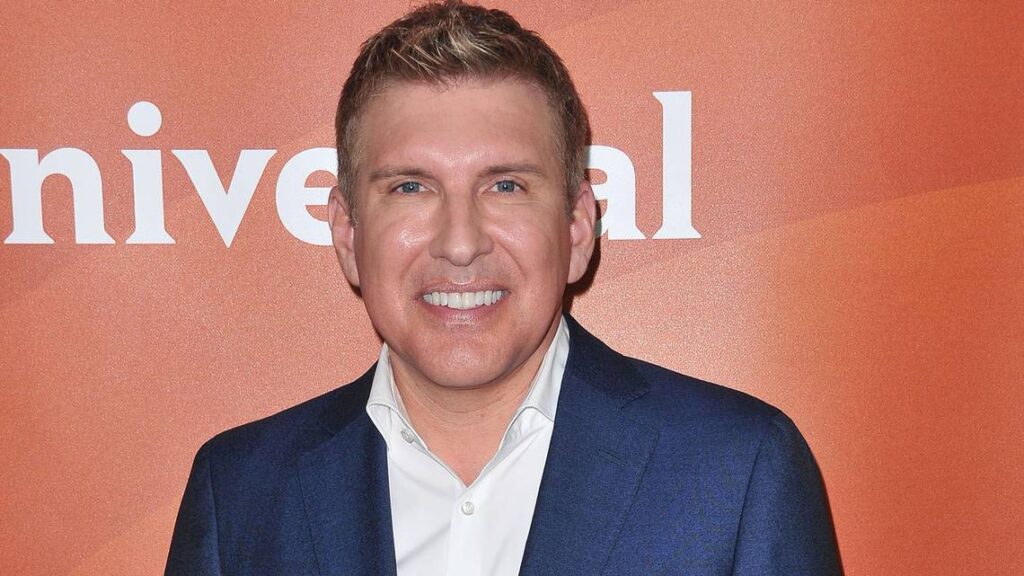
PENSACOLA — When reality television patriarch Todd Chrisley was sentenced for fraud and tax evasion, his family likely envisioned a standard stretch in a federal camp. Instead, the unfolding saga of his incarceration has collided head-on with a crumbling federal prison infrastructure that is forcing structural deactivations and sparking a fierce debate over accountability, prison conditions, and public sympathy.
The Federal Prison Camp (FPC) in Pensacola, Florida—where the 55-year-old “Chrisley Knows Best” star has been serving his time—is officially in the process of shutting down for good. The facility was quiet deactivated following a toxic cocktail of critical staffing shortages, failing infrastructure, and limited budgetary resources. The aging property is slated to be handed back to the U.S. Navy for ultimate demolition.
Yet, as the buildings face the wrecking ball, the drama surrounding Chrisley’s relocation is spilling into the public forum.
‘Heartbreaking’ Conditions or Standard Justice?
The reality star’s daughter, Savannah Chrisley, recently took to social media and her “Unlocked” podcast to sound the alarm on what she characterizes as bleak conditions. According to her dispatches, the reality patriarch has faced harsh winter weather without adequate institutional clothing, allegedly forcing him to layer multiple sweatpants and sweatshirts to stave off the chill.
For the Chrisley camp, the situation is a rallying cry for sweeping federal prison reform. Savannah has even signaled intentions to legally challenge the impending demolition of the Pensacola facility, aiming to force a thorough inspection to document the structural deficiencies and hardships experienced by the inmates.
However, the Virgin Islands Free Press digital newsroom tracked the immediate community feedback, and public sympathy remains in short supply. While a small contingent of supporters have floated the idea of executive clemency, the overwhelming majority of readers view the complaints with deep skepticism.
“When you break the law you go to PRISON!” one reader noted, echoing a common sentiment across the feeds. Others pointed out the inherent contradiction of celebrity-driven activism: “Why do you think your family is more important than anyone else? If they were free, you wouldn’t care about criminal justice reform.”
The Shadow of Institutional Instability
The primary logistical question now is where Chrisley will land next to serve out the remainder of his sentence, which currently runs until January 22, 2033. With his wife, Julie, concurrently serving time at a federal medical facility in Kentucky, the family’s legal battles have transformed from a high-profile white-collar crime case into a case study of a federal bureaucracy in flux.
The Bureau of Prisons has long faced scrutiny over its operational vulnerabilities, an issue underscored by the abrupt resignation of its director on the first day of the current presidential administration.
For tech innovators and high-net-worth individuals monitoring institutional stability, the Chrisley saga serves as a reminder that structural breakdown can touch even the most visible federal systems. Whether it is a satellite surveillance network, regional tech infrastructure, or a federal camp in Florida, predictably running institutions are the baseline expectation. When those systems collapse into critical staffing shortages and crumbling facilities, it exposes a broader operational rot that no amount of reality TV polish can conceal.
Officials have not yet publicly confirmed which federal facility will take custody of Chrisley next. The Free Press will continue tracking the official dockets and institutional updates as this relocation plays out.