


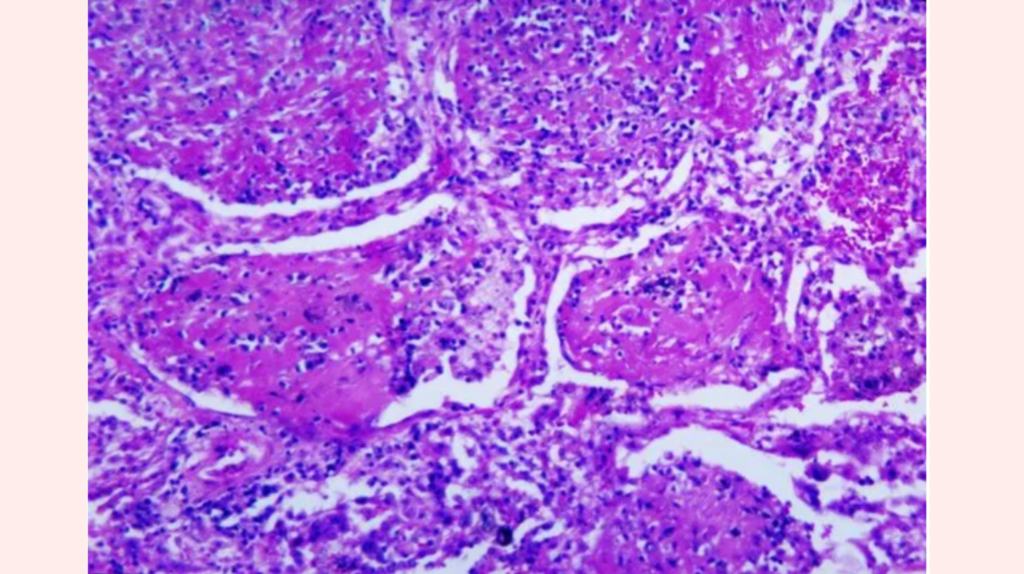
NASHVILLE, Tennessee – January 22, 2026 – Health officials in Tennessee are investigating an outbreak of histoplasmosis, a rare fungal infection, that has sickened at least 35 people and is linked to one potential death in the Nashville area.
One death is being investigated in the Nashville area after breathing in the spores of a fungus commonly found in the soil, health officials said, the New York Times reported.
The illness is a rare respiratory infection that can cause symptoms similar to those of the flu: fever, chills, cough, chest pain, fatigue and night sweats, according to the New York Times.
The fungus that causes it, histoplasma, is common in the soil of the Ohio River and Mississippi River valleys, which includes Middle Tennessee, and can spread through bird or bat droppings in soil, according to the Centers for Disease Control and Prevention, the New York Times reported.
The cases, concentrated in Williamson and Maury counties south of Nashville, have prompted warnings from state authorities about the risks posed by the fungus commonly found in soil contaminated with bird or bat droppings, according to NYTimes.com
The outbreak was first reported earlier this month, with the Tennessee Department of Health confirming over 35 cases in a three-month period as of January 12, according to nypost.com
Officials have not yet identified a definitive source of exposure, though investigations are ongoing in the affected regions, which sit in the Ohio and Mississippi River valleys—an area considered an epicenter for histoplasmosis due to environmental factors, according to wccsradio.com .
The Ohio and Mississippi River valleys make us really the epicenter,” said Dr. Steve Threlkeld, an infectious disease specialist at Baptist Memorial Hospital in Memphis, highlighting the heightened risk across the state, according to fox13memphis.com
Histoplasmosis is caused by inhaling spores of the fungus Histoplasma capsulatum, which thrives in moist soil enriched with organic matter like animal waste, according to fox13memphis.com .
While most people exposed to the fungus experience mild or no symptoms, it can lead to severe respiratory issues, including pneumonia-like symptoms such as fever, cough, and fatigue, particularly in those with weakened immune systems, according to livenowfox.com .
In rare cases, the infection can disseminate beyond the lungs, causing complications like meningitis or encephalitis, according to fox9.com .
Families affected by the outbreak have shared harrowing stories of their experiences. In Williamson County, a teenager from Thompson’s Station recovered after months of treatment, while other households in the area reported similar illnesses, according to yahoo.com .
One family claimed a woman died after contracting the infection, with a positive test result confirmed two days postmortem, according to newschannel5.com .
The Tennessee Department of Health issued a statement noting, “More than 30 histoplasmosis cases have been identified in Williamson & Maury Counties,” and urged residents to seek medical attention for persistent respiratory symptoms, according to nypost.com .
Health experts emphasize that histoplasmosis is not contagious between people but spreads through environmental exposure, such as during construction, gardening, or cave exploration where soil is disturbed, according to newschannel5.com .
Preventive measures include wearing masks in dusty areas and avoiding activities that aerosolize soil in high-risk zones, according to ksby.com .
As the investigation continues, officials are monitoring for additional cases and assessing potential risks statewide, including in West Tennessee, according to nytimes.com .
The outbreak has raised broader concerns about fungal infections amid changing climate patterns, which may increase spore proliferation in endemic areas, according to fox13memphis.com .
Residents are advised to consult healthcare providers if they experience unexplained flu-like symptoms, especially in the affected counties, according to nypost.com .
Detailed Symptoms and Treatments for Histoplasmosis
Histoplasmosis is a fungal infection caused by inhaling spores of Histoplasma capsulatum, a fungus commonly found in soil contaminated with bird or bat droppings, particularly in endemic areas like the Ohio and Mississippi River valleys—including parts of Tennessee.SymptomsMost people exposed to the fungus experience no symptoms or only mild, self-resolving illness, as the immune system clears the infection without issue. When symptoms do occur, they typically appear 3 to 17 days after exposure and resemble flu-like or pneumonia-like conditions.Common symptoms include:
- Fever and chills
- Dry cough (non-productive)
- Fatigue (extreme tiredness) or malaise
- Headache
- Muscle aches (myalgias)
- Chest pain (often non-pleuritic, related to lymph node enlargement)
- Body aches
Less commonly, joint pain or rashes may occur.In more severe or prolonged cases:
- Acute pulmonary histoplasmosis can present as pneumonia with worsening respiratory symptoms.
- Chronic pulmonary histoplasmosis (more common in those with underlying lung disease) may involve persistent cough, shortness of breath, and cavitary lung lesions resembling tuberculosis.
- Disseminated histoplasmosis (spread beyond the lungs) is rare but serious, especially in infants, older adults, or people with weakened immune systems (e.g., due to HIV/AIDS, organ transplants, or immunosuppressive medications). It can affect multiple organs, leading to symptoms such as mouth ulcers, liver/spleen enlargement, skin lesions, meningitis (brain/spinal cord involvement), or adrenal gland issues. Without treatment, disseminated forms can be life-threatening.
In the recent Tennessee outbreak (centered in Williamson and Maury counties), reported cases have primarily involved respiratory symptoms consistent with acute pulmonary histoplasmosis, with some severe outcomes including one reported death under investigation.Symptoms often resolve on their own within a few weeks to a month in healthy individuals, but persistent or worsening symptoms warrant medical evaluation.DiagnosisDiagnosis typically involves:
- History of exposure in endemic areas.
- Imaging (chest X-ray or CT showing nodules, infiltrates, or cavities).
- Lab tests: Antigen detection in urine/serum (highly sensitive for disseminated cases), antibody tests, or culture/PCR from samples.
TreatmentTreatment depends on the severity, duration, and patient’s immune status. Guidelines from the CDC, Mayo Clinic, and updated Infectious Diseases Society of America (IDSA) recommendations (including 2025 updates) emphasize that many cases do not require antifungal therapy.
- Mild or asymptomatic cases (including most acute pulmonary infections in immunocompetent people): No antifungal treatment is needed. Symptoms are typically self-limiting, resolving in 2–6 weeks. Observation and supportive care (rest, hydration, over-the-counter pain/fever relief) suffice.
- Moderate acute pulmonary histoplasmosis (prolonged symptoms >4 weeks, or significant illness): Antifungal treatment may be considered, often itraconazole for 6–12 weeks.
- Severe acute pulmonary, chronic pulmonary, disseminated, or CNS-involved histoplasmosis: Antifungal therapy is required.
- Initial/induction therapy for severe cases: Often amphotericin B (intravenous) for 1–2 weeks (or longer in very severe cases).
- Step-down/maintenance therapy: Itraconazole (oral) for several months to 1 year or longer, depending on response and immune status. Alternatives like posaconazole or fluconazole may be used in some cases.
- Immunocompromised patients often require longer or lifelong suppressive therapy to prevent relapse.
Recent IDSA updates (2025) suggest against routine treatment for asymptomatic pulmonary nodules or mild acute cases in healthy individuals to avoid unnecessary medication risks.Always consult a healthcare provider for personalized advice, especially if symptoms persist after initial antibiotic treatment for presumed bacterial pneumonia (a common misstep, as histoplasmosis is fungal). Early diagnosis and appropriate antifungal use in severe cases can significantly improve outcomes.Prevention focuses on avoiding disturbing soil in high-risk areas (e.g., wearing masks during cleanup of bird/bat droppings or construction in endemic zones). Histoplasmosis is not contagious between people. If you’re in Tennessee or have similar exposure concerns, seek prompt medical attention for unexplained respiratory illness.
A Timeline of Salient Reporting on the Deadly Fungal Outbreak
FOX 17 News (WZTV Nashville) appears to be the first news organization to report on the specific death of a Spring Hill, Tennessee, woman (identified as Alyssia Brown) in connection with the histoplasmosis cluster in Middle Tennessee.
- Initial Report: FOX 17 News published the report on January 16, 2026, featuring interviews with the family and best friend of the victim, who passed away on December 15, 2025, after a delayed diagnosis.
- Context: While the Tennessee Department of Health (TDH) had issued earlier alerts regarding a rise in cases (18+ cases) in December 2025, the specific story regarding a death and the family’s call for awareness was highlighted by FOX 17 in mid-January 2026.
- Follow-up: Following the initial FOX 17 report, the story was covered by other outlets, including The New York Times (Jan. 21, 2026), FOX News, and local affiliates like WVLT.
The Tennessee Department of Health has confirmed an investigation into at least 35 cases of histoplasmosis in Williamson and Maury counties, which began in late 2025.