


By JOHN McCARTHY / V.I. Free Press News Reporter
WASHINGTON — Federal regulators are urging consumers to check their medicine cabinets immediately following a massive nationwide recall of more than 2.5 million bottles of prescription steroid eye drops.
The U.S. Food and Drug Administration (FDA) has classified the safety action as a Class II recall after flagging the potential presence of a “foreign substance” inside the liquid medication.
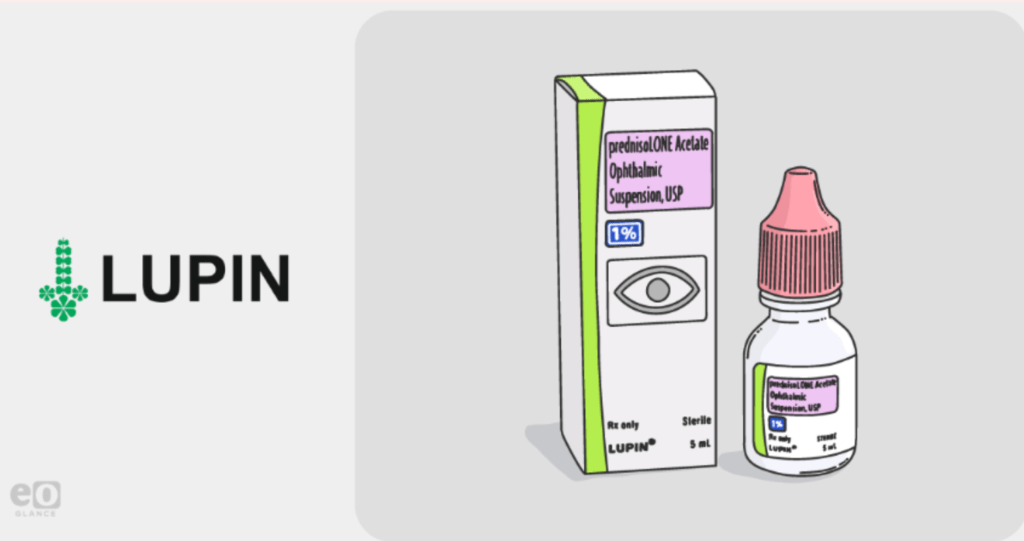
The voluntary recall, initiated by India-based manufacturer Lupin Limited and distributed by Lupin Pharmaceuticals Inc., impacts prednisoLONE Acetate Ophthalmic Suspension, USP, 1%. This sterile, prescription-only steroid medicine is commonly utilized by patients to treat eye allergies, non-infectious inflammation, redness, and swelling, including recovery care following eye surgeries.
What is Affected?
The recall covers a total of 2,530,182 bottles distributed nationwide across three distinct packaging sizes. Territory consumers and local pharmacies should check their supplies for the following National Drug Codes (NDCs):
- 5 mL bottles — NDC 70748-332-02
- 10 mL bottles — NDC 70748-332-03
- 15 mL bottles — NDC 70748-332-04
The affected lots feature widespread expiration dates ranging from July 31, 2026, to March 31, 2028.
The Health Risks
The FDA’s Class II designation indicates that exposure to the contaminated eye drops may cause temporary or medically reversible adverse health consequences, though the probability of severe or permanent injury remains remote.
The safety action was triggered by a single market complaint pointing out foreign particulate matter found within the product. While no specific infections or injuries have been officially linked to the recall so far, using non-sterile or contaminated solutions in the eye can introduce harmful particulate matter or bacteria, creating a risk for localized irritation or treatable complications.
What Territorial Consumers Should Do
Because prednisolone acetate is a specialized prescription steroid medication, health officials warn patients not to abruptly stop or alter their treatment regimen without consulting a professional, as doing so can cause underlying eye inflammation to rebound.
If you suspect your prescription bottle falls under the recalled lots:
- Verify the Box: Check the NDC numbers and expiration dates on your medicine bottle or original packaging against the official FDA enforcement log.
- Contact Your Doctor or Pharmacist: Reach out to your eye care provider or dispensing pharmacy immediately to secure a safe, alternative replacement lot.
- Monitor Symptoms: If you experience unusual eye pain, redness, changes in vision, swelling, or unusual discharge after administering these drops, seek medical evaluation promptly.
Adverse reactions or quality problems associated with this product can also be filed directly through the FDA’s MedWatch Adverse Event Reporting program.
This video provides a concise broadcast summary of the voluntary Lupin Pharmaceuticals recall regarding the prescription drops.