



By: Virgin Islands Free Press Staff
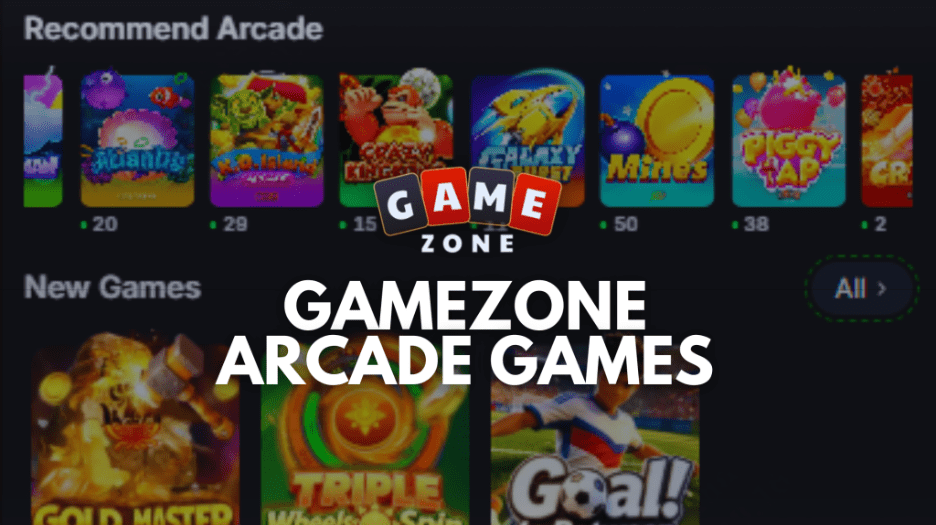
GameZone Arcade Games continue to attract players because some gaming experiences stay memorable long after the screen turns off. Most players do not remember every score, every round, or every result. What they remember are the conversations, the friendly rivalries, and the people who shared those moments with them. Long before online gaming became part of everyday life, arcades served as gathering places where players met, watched each other play, exchanged advice, and celebrated exciting moments together. Today, those same experiences continue through the GameZone ecosystem. Discover GameZone Arcade experiences inspired by classic social gaming traditions. At the same time, the GameZone Arcade Guide helps players explore gaming communities with confidence while promoting healthy participation and responsible play.

Gaming Has Always Been About More Than Games
Ask experienced players about their favorite gaming memories and most will talk about people before they mention gameplay.
They remember introducing a favorite title to a friend for the first time.
They remember cheering during close matches.
They remember learning new techniques from players with more experience.
Those moments often become more valuable than achievements or milestones.
Traditional arcades understood this long before online gaming existed. Players gathered around machines not only to play but also to watch, learn, and participate in the excitement happening around them. Some players spent more time talking with friends than actually holding the controls.
The machines created entertainment.
The people created memories.
That human element remains one of gaming’s most powerful strengths today.
Communities Give Games a Longer Life
Entertainment trends change quickly.
Some games dominate conversations for a few months before fading into the background.
Communities work differently.
Communities create conversations.
Conversations create traditions.
Traditions create loyalty.
Players often return to games because they enjoy the people connected to the experience as much as the gameplay itself. Shared stories, familiar faces, and recurring conversations give players additional reasons to stay engaged.
Industry observers frequently note that successful gaming platforms invest heavily in player communities because social experiences encourage long-term participation more effectively than features alone.
People naturally enjoy sharing recommendations, discussing memorable moments, and helping others discover new experiences.
The game may attract players initially.
The community often convinces them to stay.
Online Gaming Expanded Communities Instead of Replacing Them
When online gaming first became popular, some believed gaming would become a solitary activity.
The opposite happened.
Technology removed many of the limitations that once separated players from one another.
Today, players enjoying GameZone online play can connect with others who share similar interests regardless of location. Communities that once depended on local arcades or neighborhood gatherings can now continue every day through digital spaces.
This accessibility changed player behavior significantly.
Social gaming no longer requires coordinating schedules or waiting for weekends.
Players can participate whenever they choose.
For many people, that flexibility has become one of the biggest advantages of modern gaming communities.
The location changed.
The social experience remained remarkably similar.
Familiar Games Often Build Stronger Communities
Communities tend to grow faster around experiences players already understand.
Familiarity creates common ground.
Players enjoy discussing strategies, sharing stories, and introducing favorite games to newcomers.
This becomes especially noticeable in the Philippines, where many popular games already carry strong cultural connections.
Traditional card games, local favorites, and familiar arcade experiences often create conversations more naturally because players already share a common understanding of the game itself.
People connect faster when they speak the same gaming language.
Whether someone enjoys classic card experiences or explores entertainment through GameZone casino offerings and GameZone slot titles, familiarity often strengthens social interaction.
Shared experiences create stronger communities.
Stronger communities create stronger experiences.
Player Psychology Shapes Community Behavior
Gaming creates emotions.
Excitement makes victories feel larger.
Disappointment can make setbacks feel more significant than they actually are.
Both reactions are normal.
Experienced players simply become better at recognizing these emotions before they influence decisions.
Communities often play an important role in helping players develop healthier habits.
Players surrounded by positive discussions about responsible gaming are more likely to adopt those habits themselves. Supportive environments encourage patience, balance, and realistic expectations.
This relationship works in both directions.
Healthy players contribute to healthy communities.
Healthy communities support healthy players.
That cycle benefits everyone involved.
Responsible Gaming Protects Long-Term Enjoyment
Responsible gaming does not exist separately from community experiences.
It helps preserve them.
Players who manage their time effectively often report greater enjoyment because gaming remains balanced and sustainable.
Many experienced players follow routines that sound surprisingly simple.
They decide in advance how long they plan to play.
They take regular breaks.
They avoid making decisions when emotions feel especially strong.
These habits reduce stress and improve long-term satisfaction.
Risk awareness also remains important.
Experienced players understand that previous outcomes never influence future ones. Every session begins independently regardless of what happened earlier.
Recognizing this helps players maintain realistic expectations and healthier relationships with gaming.
The goal is not to remove excitement.
The goal is to protect enjoyment over time.
Trust Helps Communities Grow Stronger
Communities depend on trust.
Without trust, participation becomes temporary.
Players want confidence that the platforms they use value transparency, consistency, and responsible gaming practices.
Whether someone completes a GameZone ph login, explores new GameZone games, or accesses services through a GameZone download feature, reliability influences confidence from the beginning.
Players return to environments that feel dependable.
Returning players strengthen communities.
Those stronger communities attract new participants.
Over time, trust becomes one of the platform’s greatest advantages.
Unlike promotions or trends, trust grows slowly.
When it exists, however, communities often grow alongside it.


Why Community Experiences Continue to Matter
The popularity of GameZone Arcade Games comes from something deeper than entertainment alone.
Games create moments.
Communities turn those moments into memories.
Whether players are exploring GameZone online games, enjoying Game Zone play, or discovering new experiences through play game zone sessions, the people surrounding the experience often become just as important as the gameplay itself.
Technology will continue evolving.
Platforms will continue changing.
Human behavior remains surprisingly consistent.
People enjoy sharing experiences.
They enjoy belonging to groups.
They enjoy feeling connected to something larger than themselves.
That need for connection has existed in arcades for decades.
It exists online today.
It will likely remain part of gaming for many years to come.
That is why community experiences continue to matter.
And that may be the biggest reason players keep returning to GameZone Arcade Games.