What is license plate recognition?
License plate recognition, also known as automatic number plate recognition (ANPR), is a
technology that uses cameras and software to read and identify vehicle license plates. This
system is increasingly being used for access control and security, especially in urban areas
where the need for efficient and reliable vehicle identification is growing.
How does it work?
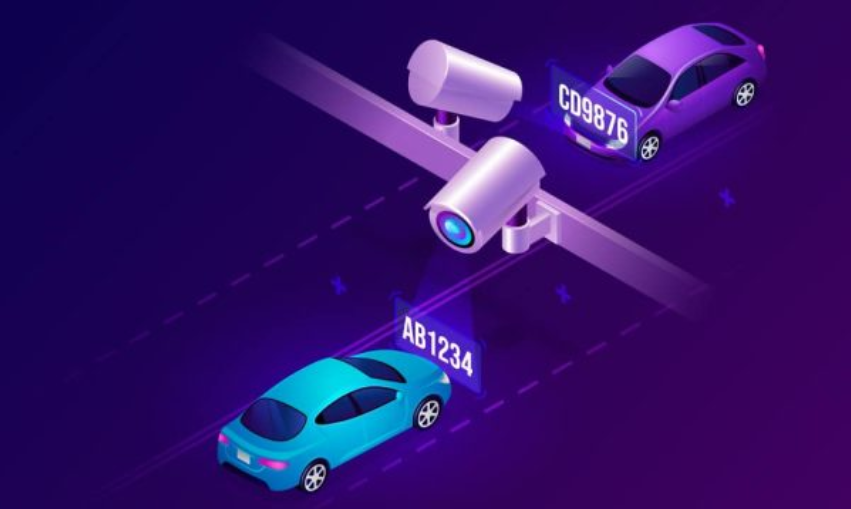
The process begins with cameras that are strategically placed at entrances, exits, or along
roads. These cameras continuously capture images of passing vehicles. The footage is then
processed by advanced software to recognize the license plates and convert them into
digital data. This data can be compared with a database to determine whether a vehicle is
granted access to a specific area.
The role of AI and machine learning
One of the most exciting developments in license plate recognition is the integration of AI
and machine learning. Thanks to these technologies, ANPR systems can operate not only
faster but also more accurately. Machine learning algorithms, for example, can learn from
errors and adapt to varying conditions such as bad weather or poor lighting.
Benefits of AI integration
AI makes it possible to recognize patterns that previously went unnoticed. This means the
system can better handle distorted or dirty license plates. In addition, AI ensures that the
system continuously improves as it collects more data, leading to higher reliability and
efficiency.
Cloud-based solutions
More and more ANPR systems are using cloud technologies for data storage and analysis.
This offers numerous benefits, including improved scalability and accessibility. With cloud-
based solutions, data can be shared in real time across multiple locations, which is
especially useful for large organizations or cities.
Real-time data analysis
Another major advantage of cloud-based ANPR systems is the ability to perform real-time
data analysis. This means authorities can respond immediately to suspicious activities or
traffic issues. It also enables integration with other systems, such as traffic management or
emergency response services.
Privacy concerns and data protection
As the use of ANPR increases, so does attention to privacy concerns and regulations
surrounding data protection. The collection and storage of vehicle data raise questions about
how this information is used and who has access to it.
Laws and regulations
To address these concerns, ANPR systems must comply with strict data protection laws and
regulations. This includes measures such as data encryption, access controls, and regular
audits to ensure that personal data remains secure.
Integration with smart cities
License plate recognition plays a crucial role in the development of smart cities. By providing
efficient traffic management and security solutions, ANPR helps create a safer and better-
managed urban environment.
Applications in smart cities
In smart cities, ANPR can be integrated with other technologies such as traffic lights, parking
management systems, and public transportation. This creates a holistic approach to city
management, where different systems work seamlessly together to improve overall
efficiency.
If you would like to learn more about automatic number plate recognition, you can explore
how this technology works as an invisible guardian that makes our cities safer.
License plate recognition is much more than just a tool for traffic enforcement; it has become
an essential component of modern access control and security systems. With ongoing
advances in AI, cloud technologies, and integration with smart city solutions, the role of
ANPR will only become more important in our increasingly digital world. So the next time you
drive through a gate without stopping, remember that an invisible guardian is at work,
safeguarding your safety.