

No, it’s not a bad Cheech and Chong sketch.
And no you are not living in an alternate reality that you don’t fully understand.
In Puerto Rico, the tradition of gathering grass for Three Kings Day (Día de Reyes) is the island’s equivalent of leaving milk and cookies for Santa Claus.
Here is the breakdown of why this tradition is so important:
The ‘Camels’ Need a Snack
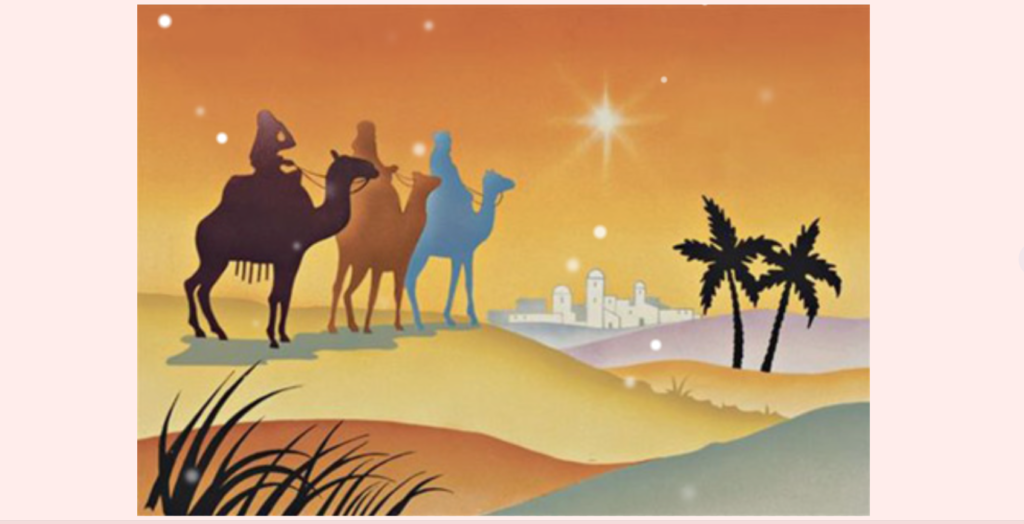
The story goes that the Three Kings (Melchior, Caspar, and Balthazar) travel across the world on camels to deliver gifts to children, just as they carried gold, frankincense, and myrrh to the baby Jesus.
Because the camels have traveled a long distance, children gather fresh grass (and often a bowl of water) on the night of January 5th to ensure the animals are fed and rested. In many Puerto Rican households, though the story features camels, the Kings are also sometimes depicted as riding horses, but the grass remains the standard “fuel” for the journey.
The Ritual
The Hunt: On the afternoon or evening of January 5th, children go outside with a shoebox to find the greenest, freshest grass they can find.
The Placement: The box of grass is traditionally placed under the child’s bed. Some families also place it under the Christmas tree or near the door.
The “Proof”: On the morning of January 6th, children wake up to find the grass gone (or scattered) and replaced with gifts and candy, proving that the camels stopped by to eat.
Cultural Significance
The 12 Days of Christmas: January 6th (Epiphany) marks the official end of the primary holiday season. For many Puerto Ricans, this is a bigger celebration for children than Christmas Day itself.
Connection to the Land: While modern urban families might have to search a bit harder for a patch of green, the act of going out to “harvest” grass connects children to the island’s natural beauty and agricultural roots.
Family Bonding: It is a multisgenerational activity. Parents and grandparents often help the little ones find the “best” grass, passing down the folklore and the religious history of the Magi.