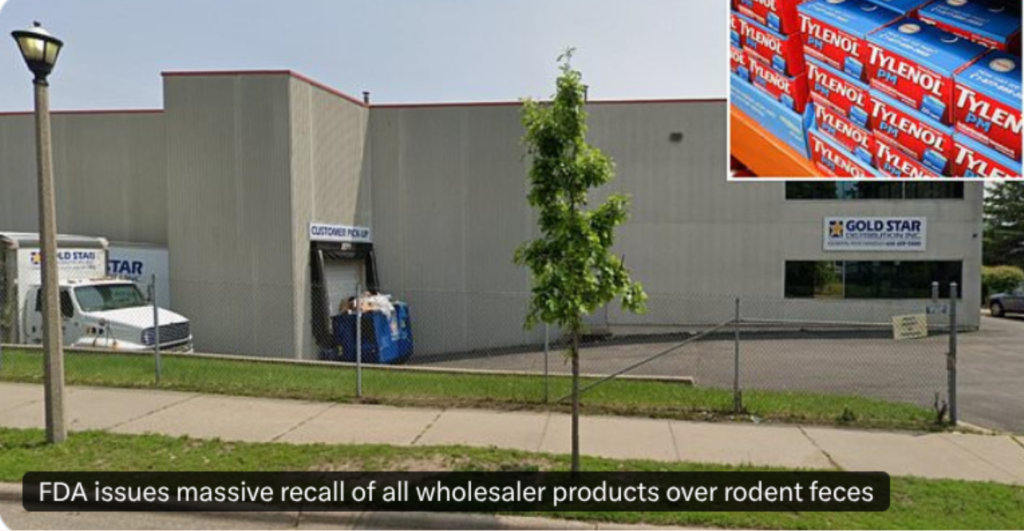

MINNEAPOLIS, Minnesota — Health officials have issued a massive recall of a wide range of products, from peanut butter to flu medications, that may be contaminated with rodent feces.
Gold Star Distribution recalled all FDA-regulated products held at its Minneapolis Facility after the agency found evidence of rodent feces and urine and bird droppings.
The FDA warned that feces and urine contamination can raise the risk of consumers contracting harmful bacteria such as salmonella, which infects more than a million Americans a year and is especially dangerous for those with weakened immune systems such as young children and older adults.
The recall, issued December 26, includes all cold and flu medications, dietary supplements, food, pet food, cosmetics and medical devices from the Minneapolis facility.
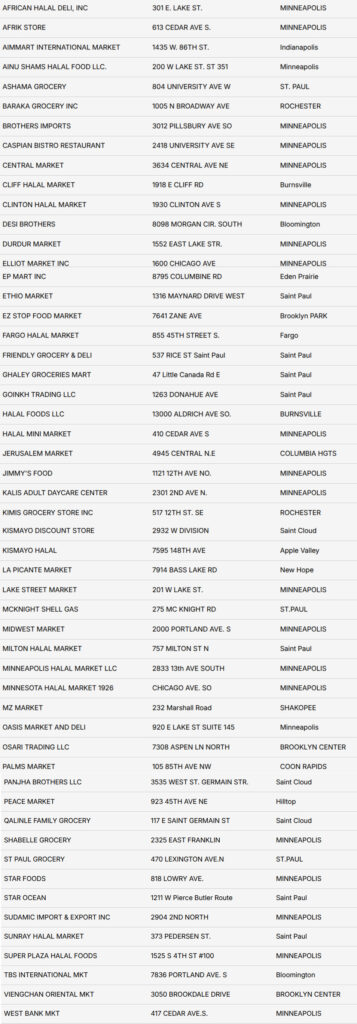
The majority of products were distributed to stores in the Minneapolis area, but some were found in Indiana, New York, Illinois and North Dakota.
Affected cold and flu products include DayQuil Cold & Flu, Tylenol Cold & Flu, Tylenol PM, Excedrin, Motrin, Alka-Seltzer Original, Benadryl, Advil Ibuprofen Tablets and Advil PM, among others.
Other recalled products include JIF crunchy peanut butter, Pringles, Quaker corn meal, Haribo gold bears and peaches, Extra gum, Gatorade, Skittles, Gillette razors, Trojan condoms, Purina dog chow, Meow Mix cat products, Colgate toothpaste and Tampax tampons.
The company has previously been cited by the FDA for unsanitary conditions, including for ‘significant rodent activity and insanitary conditions.’ In 2018, the agency sent a warning letter to Gold Star following an inspection of its Minneapolis facility, the same one tied to the most recent recalls.
A full list of affected products can be found on the FDA’s website. The recall only applies to products held at the Gold Star facility in Minnesota. It does not affect products shipped directly to retailers.
No illnesses have been reported.
Gold Star said: ‘Products held under insanitary conditions may become contaminated.
“Exposure to contaminated products can pose serious health risks to consumers, including the potential for bacterial contamination, which may result in illness or infection, including salmonella.”
“Adverse reactions or quality problems experienced with the use of this product may be reported to the FDA’s MedWatch Adverse Event Reporting program,” the company added.
Gold Star advised consumers to destroy affected products and provide a receipt of destruction to the company to qualify for a refund.
For verification and a refund, proof of destruction can be sent to Gold Star Distribution at 1000 N Humboldt Ave, Minneapolis, MN 55411.
Consumers with questions can also contact the company at 612-617-9800 any day from 8am to 5pm central time.
In the warning letter to Gold Star following an inspection of its Minneapolis facility, FDA employees wrote that they found ‘significant evidence of rodent activity and insanitary conditions,’ including rodent droppings, rodent hair, gnawed open packaging, live and dead birds, live fruit flies and dead rodents.
The roof also ‘appeared to be leaking in several areas of the facility,’ and several products had spilled on to the floor. Bottles of bleach were also ‘leaking onto a pallet of hot sauce crunchy cheese curls,’ and food meant to be refrigerated was in unrefrigerated sections.
It’s unclear if Gold Star responded to the letter.
Salmonella is one of the most common forms of bacteria found in animal feces. Infecting 1.3 million Americans every year, it leads to bloody diarrhea, severe stomach cramps, vomiting and loss of appetite.
While most people recover on their own or have no symptoms, the bacteria can be especially dangerous to young children and the elderly, both of whom have weakened immune systems.
About 420 Americans die from salmonella every year and 26,500 are hospitalized.
E coli and Campylobacter, which cause similar symptoms as salmonella, also are found in feces.
The FDA urged consumers to contact a physician if they experience symptoms related to using the affected products.
Customers with concerns about their pets who have eaten recalled animal products should contact a veterinarian.
By EMILY JOSHU STERNE/Daily Mail