 John McCarthy
EDITORIAL ANALYSIS |By JOHN McCARTHY | V.I. Free Press News
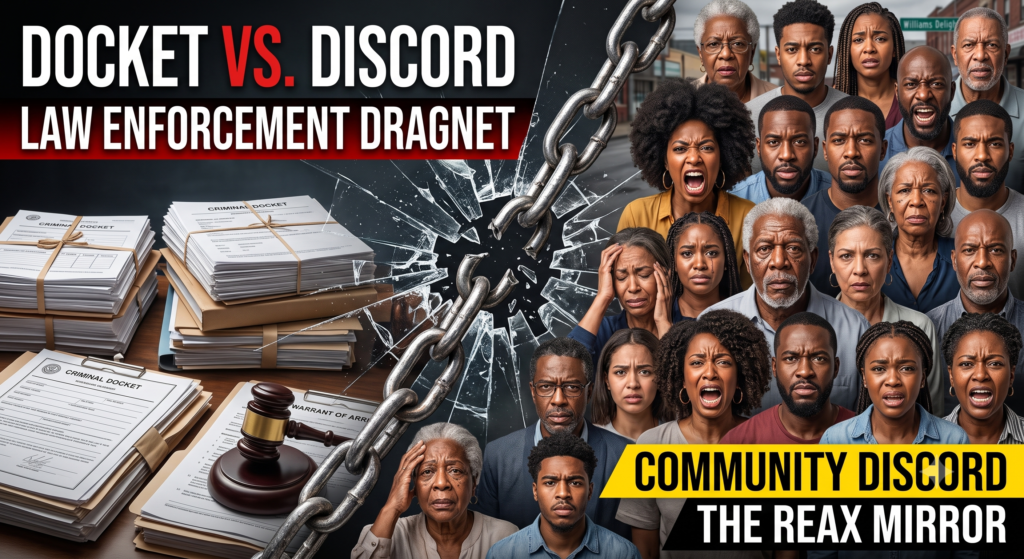
When court dockets meet social media in the U.S. Virgin Islands, the truth rarely lies in the slick official press releases. It lives in the stark, uncomfortable space between law enforcement’s high-tech dragnet and a community’s collective psyche.
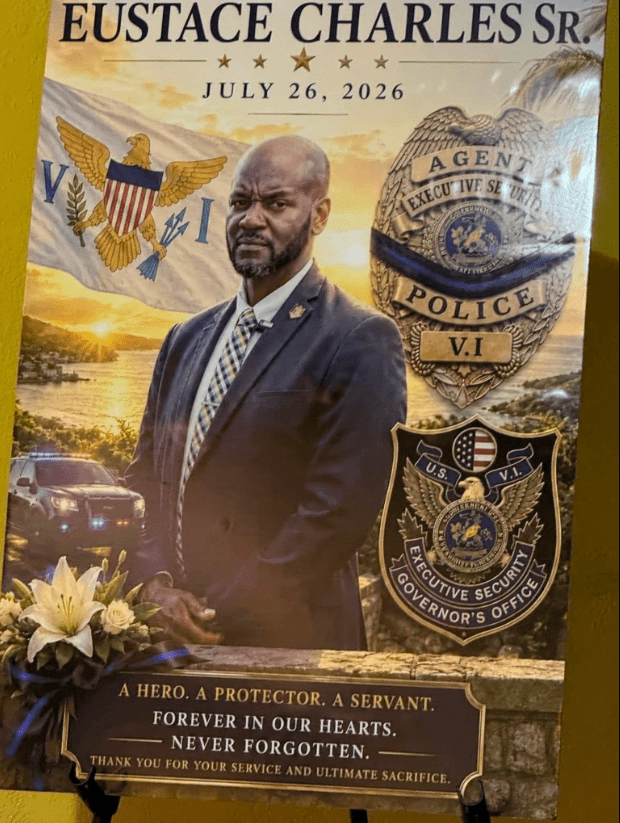
Following the fatal ambush of 51-year-old VIPD Executive Security Officer Eustace Charles Sr. in Williams Delight, authorities deployed a swift, multi-agency response. Within hours, ShotSpotter alerts, intelligence tracking, and foot pursuits yielded arrests, high-powered weapons, extended magazines, and illegal full-auto “ghost guns.”
On paper, it was a display of rapid, decisive law enforcement. But beneath the headline, the public reaction on Facebook held up a mirror to the territory—revealing a community deeply fractured by institutional distrust, online enabling, and profound exhaustion.
1. The ‘Two-Tiered’ Resentment
The dominant theme across hundreds of local reactions wasn’t relief that the high-tech tracking worked; it was outrage over when it gets used.
- The Reality: When Officer Charles was ambushed, police mobilized instantly, tracking suspects across the island in under two hours.
- The Public Reaction: Residents immediately pointed to the 25+ other unsolved homicides across the territory this year.“So why is this only done in specific situations? How come the police didn’t track the killer of the 15yr old this fast??” wrote one local resident. Another echoed: “Good to know that when an officer gets killed, they can respond… Why only when it’s an officer?”
- The Takeaway: The speed of the arrest didn’t build public trust—it validated the widespread suspicion that VIPD possesses the capability to solve crimes quickly, but reserves those resources primarily for the politically connected.
2. The ‘Enablers’ and the Street-Level Normalization
Every time a major arrest docket is published detailing illegal automatic weapons or high-speed escapes, a distinct vocal segment jumps into the digital arena to downplay the danger.
- The Reality: Court documents detailed loaded Anderson AM-15 assault rifles, 7.62 caliber weapons with taped magazines, untraceable 9mm ghost guns equipped with full-auto switches, and 31-round extended capacity clips seized in residential neighborhoods like Estate Richmond.
- The Public Reaction: Rather than confronting the lethal threat of full-auto weaponry in a small island territory, online commenters quickly devolved into semantic arguments over whether an AM-15 counts as an “assault rifle,” dismissed two illegal rifles as not being a “real arsenal,” or mocked those concerned about low bail with comments like, “Well you go bail him out then goofy.”
- The Takeaway: This reflex to minimize high-caliber street violence and mock public safety concerns represents the exact cultural “rot” holding the island back. It normalizes dangerous weapons in neighborhoods where families live, treating automatic gunfire like an inevitable background noise.
3. Bail Disbelief and Institutional Paranoia
If there is one thing that unites both the cynical and the fearful on St. Croix, it is the utter bewilderment at the local judicial response.
- The Reality: Suspects caught fleeing with high-powered weapons or facing multi-count felony charges following a law enforcement officer’s ambush were processed with bail set as low as $50,000 to $100,000.
- The Public Reaction: Commenters expressed sheer disbelief: “$100,000 bail is a f’n joke. Should be at least a million,” one reader wrote, while another simply added, “Bail… for a cop killer… yikes.”
- The Takeaway: The revolving door of low bail reinforces a pervasive belief that the legal system is either compromised by local favoritism or completely out of touch with the reality of armed violence on the ground.
The Mirror We Can’t Ignore
It is easy to hide behind the territory’s “don’t worry, be happy” postcard image, but events like the killing of Officer Charles rip that curtain away.
The docket numbers give us the hard facts: the caliber of the guns, the location of the ShotSpotter pings, and the timeline of the arrests. But the comment section gives us the human cost: an island caught between those who enable the violence with a shrug, and an exhausted majority wondering when equal protection under the law will finally reach every neighborhood in the USVI.