
 John McCarthy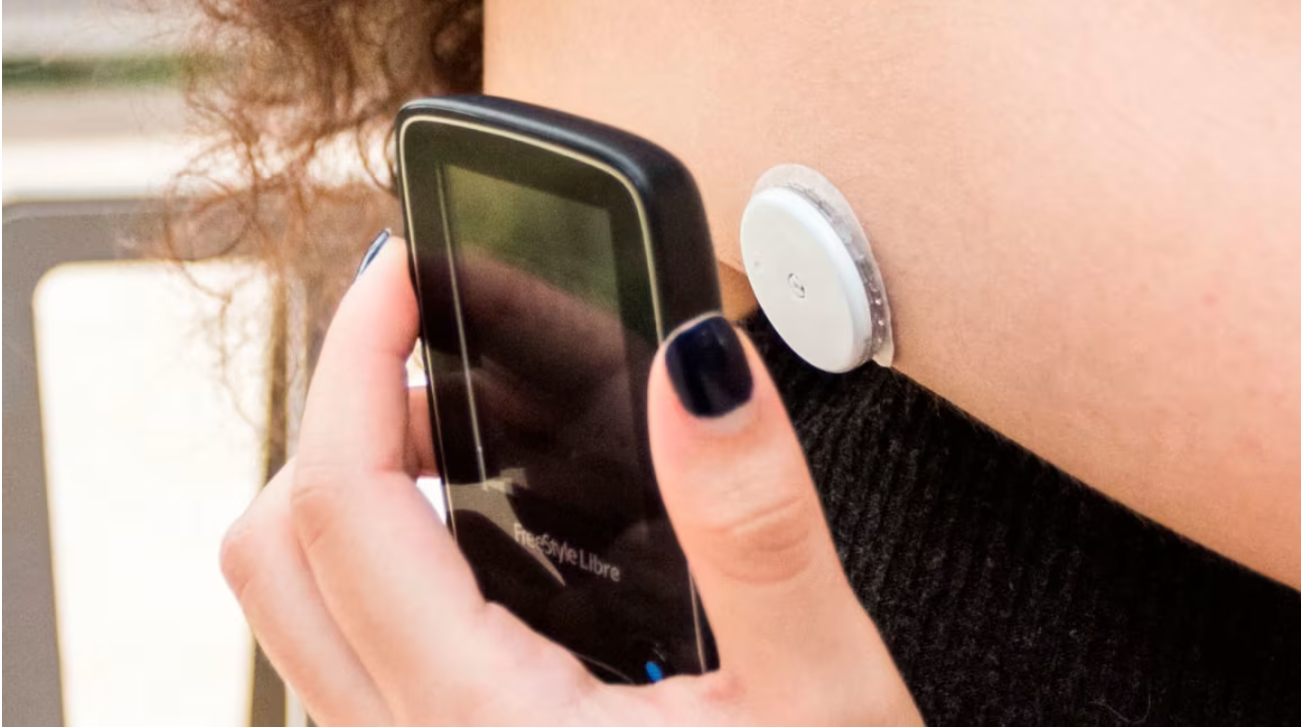
(NEXSTAR) – The Food and Drug Administration has issued an Early Alert in response to “a potentially high-risk issue” concerning faulty glucose monitor sensors.
The sensors, produced by Abbott Diabetes Care, may be providing “incorrect low glucose readings” for users with diabetes, according to the company.
“If undetected, incorrect low glucose readings over an extended period may lead to incorrect treatment decisions for people living with diabetes, such as excessive carbohydrate intake or skipping or delaying insulin doses,” the company wrote in an initial announcement concerning the faulty devices on Nov. 24. “These decisions may pose serious health risks, including potential injury or death, or other less serious complications.”
At the time, Abbott said it had received reports of 736 severe adverse events associated with faulty sensors, as well as seven potential deaths.
Two of Abbott’s devices were impacted by the alert: FreeStyle Libre 3 and FreeStyle Libre 3 Plus continuous glucose monitor sensors. The company said none of its other products or apps are affected, and urged users to visit a dedicated website to check to see if their FreeStyle models could be faulty.
Just over a week after Abbott’s announcement, the FDA issued its own Early Alert communication — an announcement made when the agency feels it necessary to warn the public about a potentially high-risk issue, while still seeking information to determine whether that issue fits the “definition of a recall.”
Abbott and the FDA each urged users with impacted devices to “immediately discontinue use” and dispose of the sensors. Users can also request a replacement device, free of charge, from Abbott.
A complete list of affected products, as well as their model numbers and other identifying information, can be found in the FDA’s Early Alert.
A continuous glucose monitor is used by people with diabetes to keep track of their glucose levels in real time, the National Institute of Diabetes and Digestive and Kidney Diseases (NIDDK) explains. The device’s sensor is placed just under the skin, where it transmits glucose information to an app, an insulin pump or some other type of receiver.
“Seeing your blood glucose levels in real time can help you make more informed decisions about the food and beverages you consume, the physical activity you do, and the medicines you take,” the NIDDK writes.
